
Carpal Tunnel Syndrome Treatment in Grand Rapids
Chiropractic care for carpal tunnel syndrome
Get to the root of your carpal tunnel syndrome
Also known as: Carpal Tunnel Syndrome, CTS, Median Nerve Compression
If you're waking up with numb, tingling fingers — or losing grip strength at a keyboard you've used for years — carpal tunnel syndrome may be compressing the median nerve at your wrist. At Thornapple River Chiropractic, Dr. Jonathan Waltman helps patients throughout Grand Rapids and West Michigan get drug-free relief by treating the nerve at the wrist, addressing any contributing neck tension, and fixing the ergonomic habits that started the problem.

Find the Root Cause
Get to the bottom of what's causing your carpal tunnel syndrome so we can build a plan to get you feeling great again.

Custom Care Plan
We build a personalized plan of action to get your carpal tunnel syndrome under control and your body feeling its best.

Preventative Care
Once you're feeling better, we help keep your carpal tunnel syndrome from coming back so you can stay healthy for the long run.
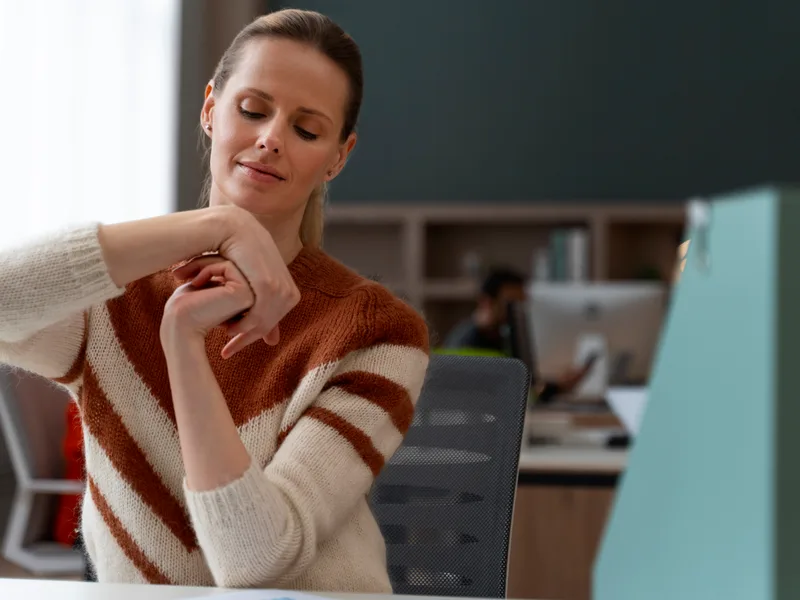
Chiropractic Treatment for Carpal Tunnel Syndrome
Don't suffer from carpal tunnel syndrome any longer. Our chiropractic team is here to get to the underlying cause of your carpal tunnel syndrome and help you get back to feeling great again. Book your appointment today to get started with care.
The basics
Understanding carpal tunnel syndrome
The carpal tunnel is a narrow passageway on the palm side of your wrist, formed by bones and a tough ligament called the flexor retinaculum. The median nerve — which gives sensation to the thumb, index, middle, and part of the ring finger — passes through this tunnel alongside nine flexor tendons. When repetitive wrist motions, sustained flexion, or swelling narrow the tunnel, the nerve gets compressed and produces the classic symptoms of tingling, numbness, and weakened grip. Repetitive keyboard use, assembly work, and prolonged vibrating tool use are common culprits for Grand Rapids-area patients who sit at a desk or work with their hands all day.
What many patients don't know is that the neck can contribute to the problem. A condition called "double-crush" occurs when the median nerve is irritated at two points along its path — the cervical spine and the wrist — making symptoms worse than either site would cause alone. A thorough exam maps both locations so treatment targets the true source. Most patients with mild to moderate carpal tunnel syndrome respond well to conservative, drug-free care; severe cases with significant muscle wasting may need a surgical consultation, and we will tell you honestly if that's the right path.

New Patient Special
$47
Chiropractic Consult, Full Chiropractic Exam, X-Rays (if necessary), Chiropractic Adjustment, Report of Findings, Care Recommendations
Types and patterns of carpal tunnel we treat
Carpal tunnel symptoms aren’t identical in every patient. We regularly help Grand Rapids-area patients with:
- Classic repetitive-use CTS — driven by long hours at a keyboard or mouse. Wrist and forearm soft-tissue work, ergonomic adjustments, and corrective exercise address both the nerve compression and the habits that caused it.
- Double-crush syndrome — median nerve irritation at both the wrist and the cervical spine. Symptoms are often more severe and don’t fully resolve with wrist treatment alone; see our neck pain and arm pain pages for more on how the nerve runs from neck to fingertip.
- Pregnancy-related CTS — fluid retention compresses the carpal tunnel; conservative care and ergonomic support can reduce symptoms until delivery resolves the root cause.
- Occupational and tool-use CTS — sustained vibration and repetitive grip from trade or manual work. Soft-tissue work and joint mobilization help restore function, combined with advice on grip mechanics and tool use.
- Nighttime CTS — symptoms that wake you from sleep are often the earliest presentation. A neutral wrist brace paired with daytime treatment usually resolves this pattern quickly.
Your exam tells us which pattern fits your situation, so your plan targets the right level — wrist, elbow, neck, or all three.
When to see a chiropractor in Grand Rapids
Carpal tunnel symptoms tend to worsen the longer nerve compression goes untreated. Book an exam if you notice:
- Numbness or tingling in your thumb, index, or middle fingers that doesn’t go away
- Waking up at night with hand numbness or the urge to shake your hand out
- Grip weakness or dropping objects that you should be able to hold
- Symptoms spreading up your forearm or arm
- Wrist or hand symptoms that started alongside new neck pain or shoulder tightness
If you experience sudden, severe weakness in the hand, significant thumb muscle wasting, or symptoms after a wrist fracture or dislocation, seek prompt evaluation — these may require imaging or specialist referral beyond conservative chiropractic care.
Drug-free carpal tunnel relief — without medication or surgery
Wrist splints and anti-inflammatory drugs can take the edge off carpal tunnel symptoms temporarily, but they don’t correct the joint mechanics, muscle tension, or postural habits compressing the nerve. Surgery cuts the flexor retinaculum to widen the tunnel — a procedure that works for severe cases but comes with recovery time, scar tissue risk, and the possibility of incomplete relief if the cervical spine was also involved. Chiropractic care offers a conservative path that most patients with mild to moderate CTS never need to move past — relieving nerve pressure, restoring wrist and neck mechanics, and coaching ergonomic habits that prevent the problem from returning. If your exam ever suggests surgery is the right next step, we’ll tell you honestly and help coordinate that referral.
Why Grand Rapids-area patients choose Thornapple River Chiropractic
Patients from Grand Rapids, Cascade, Ada, Forest Hills, and Kentwood choose Thornapple River Chiropractic because Dr. Jonathan Waltman looks at the full picture — wrist, forearm, elbow, and cervical spine — rather than treating the hand in isolation. That matters especially with carpal tunnel, where a missed neck component is one of the most common reasons conservative care elsewhere falls short.
We combine gentle chiropractic adjustments, hands-on soft-tissue work, and corrective exercise into one coordinated plan — so you get relief at the keyboard now and the resilience to stay comfortable long term.
Ready to get started? Our New Patient Special makes your first visit easy, and you can book an appointment online in under a minute.
Why choose chiropractic
Chiropractic care vs. the typical carpal tunnel routine
| Comparison factor | Chiropractic Care | Pain Meds & Surgery |
|---|---|---|
| Addresses the root cause | ✓Relieves nerve compression at source | ✕Masks symptoms or cuts the ligament |
| Drug-free & non-invasive | ✓Always | ✕Rarely |
| Risk of side effects | ✓Minimal | ✕Higher (meds, surgery, scar tissue) |
| Personalized to you | ✓Wrist + neck + ergonomics | ✕One-size-fits-all protocol |
| Treats contributing factors | ✓Neck, posture, and workstation | ✕Seldom addressed |
| Typical recovery | ✓Active & gradual | ✕Often lengthy with downtime |
Related conditions
Other conditions we treat in Grand Rapids
Patient reviews
What our Grand Rapids patients say
“Dr. Waltman's adjustments have given me so much relief. I notice a HUGE difference after just one time in to see him. I have a tendency to seize up in my neck and back sporadically and each time I've been his patient I leave feeling better--I'm able to exercise normally and sleep without pain. I'm very grateful!”
“My husband and daughter recently visited Dr. Waltman for back and hip pain, and our experience with Dr. Jonathan Waltman was exceptional. Dr. Waltman was not only knowledgeable and thorough in his explanations but also incredibly gentle and compassionate in his approach. His great sense of humor put us at ease throughout the appointments. The care and attention he provided left a lasting impression on us, to the point where I'm now tempted to schedule an appointment myself, even without immediate issues. If you're looking for a chiropractor who combines expertise with a friendly demeanor, I highly recommend Dr. Jonathan Waltman.”
“Extremely knowledgeable and very caring. Took the time to really make sure you had what you needed. Would wildly recommend and I am excited to continue visiting.”
What causes carpal tunnel syndrome?+
Carpal tunnel is caused by compression of the median nerve inside the narrow tunnel at the wrist. The most common triggers are repetitive wrist motions (typing, assembly work, tool use), prolonged wrist flexion, fluid retention from pregnancy or systemic conditions, and poor workstation ergonomics. In some patients a cervical spine issue contributes to the nerve sensitivity — a situation called double-crush.
Can a chiropractor help carpal tunnel syndrome?+
Yes, for mild to moderate cases. Chiropractic adjustments to the wrist, forearm, and cervical spine can relieve nerve compression, reduce inflammation, and restore proper joint mechanics. Combined with soft-tissue work and ergonomic changes, most patients see meaningful improvement without medication or surgery. Severe cases with significant muscle wasting may require a surgical evaluation, and we'll tell you honestly if that's you.
What are the first signs of carpal tunnel syndrome?+
The earliest signs are usually nighttime numbness or tingling in the thumb, index, and middle fingers that wakes you from sleep, and aching after a long session at the keyboard. If you're shaking your hand to relieve symptoms, that's a classic early warning sign worth getting evaluated.
Is my neck causing my hand tingling?+
It might be contributing. Nerve irritation at the cervical spine can mimic or worsen wrist symptoms through a double-crush mechanism. Our exam checks both sites, which is important because treating only the wrist often produces incomplete relief when the neck is involved.
Do I need a referral or a nerve conduction study before I come in?+
No referral is needed to see a chiropractor in Michigan. A nerve conduction study (NCS/EMG) is not required before a chiropractic exam — we perform orthopedic screening tests in-office. If advanced testing would change your care, we'll refer you for it.
Is chiropractic care for carpal tunnel safe?+
Yes. We screen every patient thoroughly on the first visit and only begin care once we confirm it's appropriate. Wrist and cervical adjustments are gentle and well-tolerated; we adjust technique to your comfort at every visit.
How can I relieve carpal tunnel symptoms at home?+
Wearing a neutral-position wrist brace at night, taking regular breaks from repetitive hand work, keeping your wrists straight while typing, and gentle wrist and nerve-glide stretches can reduce symptoms. These help short term, but if symptoms persist or worsen, an exam will find and fix the underlying cause.
How do you treat carpal tunnel without surgery?+
Conservative care includes chiropractic adjustments to restore joint mechanics at the wrist and cervical spine, soft-tissue work to reduce muscle tension and scar tissue around the tunnel, corrective exercise to strengthen supporting structures, and ergonomic coaching to eliminate the habits causing the compression in the first place.
When should carpal tunnel be referred for surgery?+
Surgery is worth considering when symptoms are severe, long-standing, and haven't responded to conservative care — or when nerve conduction testing shows significant median nerve damage and muscle wasting in the thumb. We will tell you honestly when we think a surgical consultation makes sense.