Spinal Stenosis Treatment in Grand Rapids
Chiropractic care for spinal stenosis
Get to the root of your spinal stenosis
Also known as: Lumbar Spinal Stenosis, Cervical Spinal Stenosis, Spinal Canal Narrowing
Spinal stenosis is a condition that happens when the spinal column becomes narrower. This can cause problems like pain, numbness, and tingling. Dr. Jonathan Waltman helps patients throughout Grand Rapids and West Michigan relieve the pressure that narrowing places on the nerves with gentle, drug-free care.

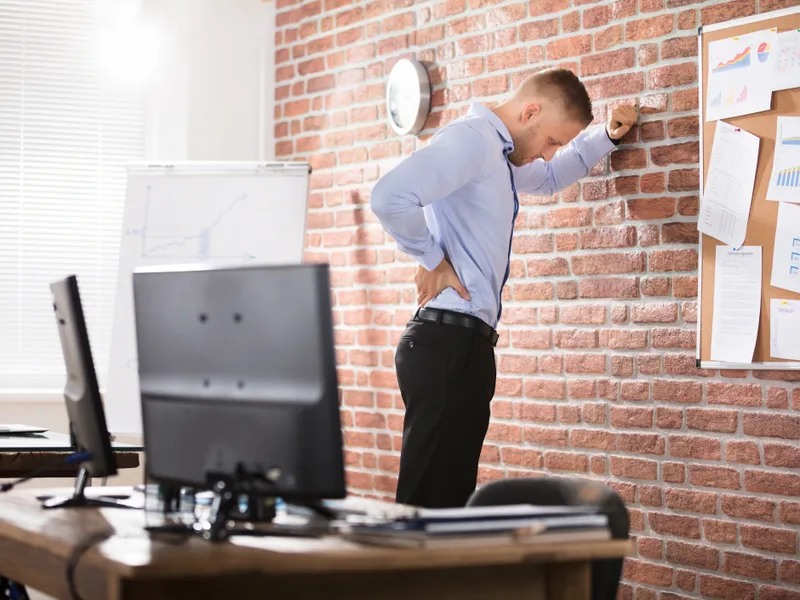
Find the Root Cause
Get to the bottom of what's causing your spinal stenosis so we can build a plan to get you feeling great again.
Custom Care Plan
We build a personalized plan of action to get your spinal stenosis under control and your body feeling its best.
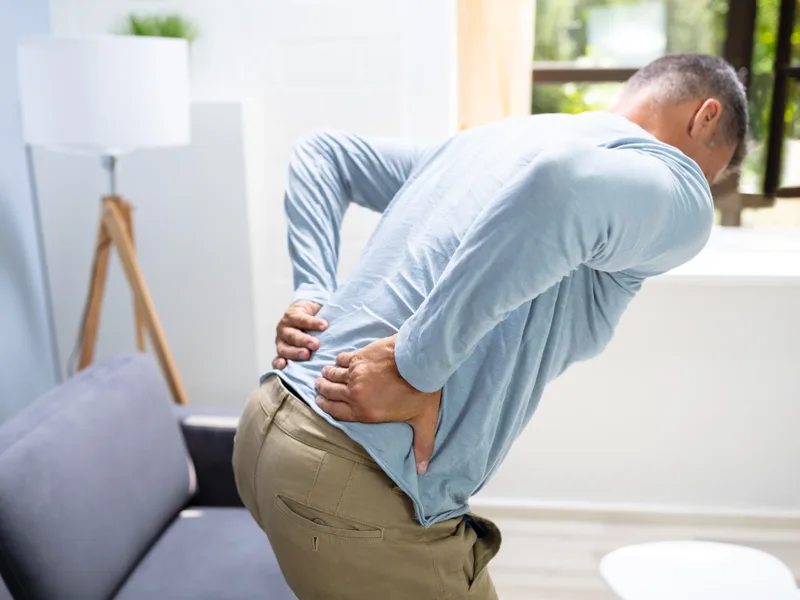
Preventative Care
Once you're feeling better, we help keep your spinal stenosis from coming back so you can stay healthy for the long run.
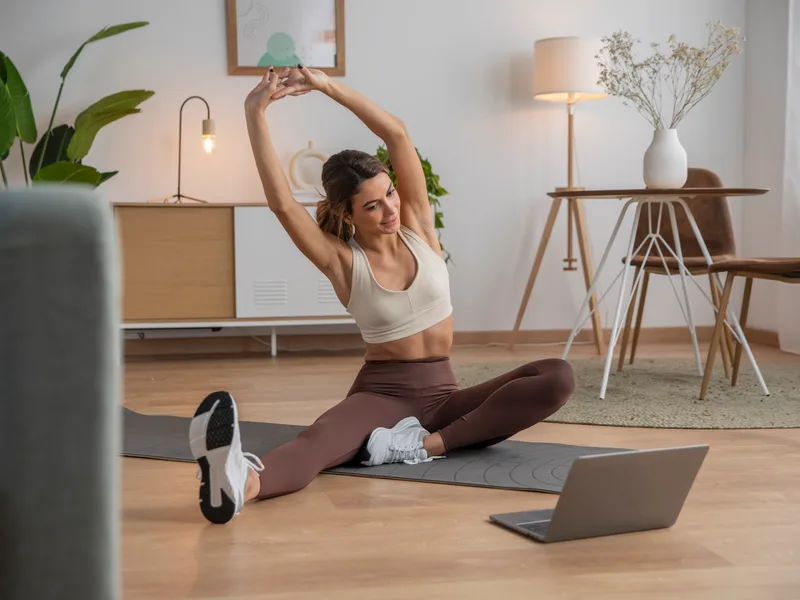
Chiropractic Treatment for Spinal Stenosis
Don't suffer from spinal stenosis any longer. Our chiropractic team is here to get to the underlying cause of your spinal stenosis and help you get back to feeling great again. Book your appointment today to get started with care.
The basics
Understanding spinal stenosis
The spinal canal is the tunnel that houses your spinal cord and nerve roots as they travel down the spine. Spinal stenosis develops when that canal narrows — usually gradually, from bone spurs, thickened ligaments, or a bulging disc that crowds the available space. As the canal narrows, it can press on the nerves inside it, producing pain, numbness, tingling, or weakness that often radiates into the buttocks, legs, or arms depending on where the narrowing occurs.
Stenosis is most common in the lumbar (low back) and cervical (neck) spine and tends to develop slowly over years as part of the same degenerative process that causes arthritis and disc wear. The good news is that conservative care that takes pressure off the narrowed area — rather than masking the pain with medication — can meaningfully reduce symptoms for many patients and help you avoid or delay surgery.
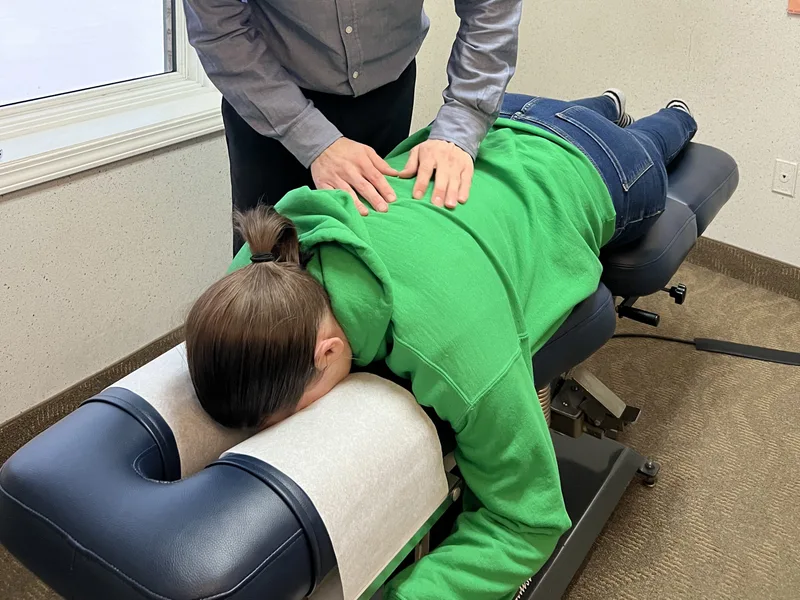
New Patient Special
$47
Chiropractic Consult, Full Chiropractic Exam, X-Rays (if necessary), Chiropractic Adjustment, Report of Findings, Care Recommendations
Types of spinal stenosis we help with
Spinal stenosis can occur in more than one area of the spine, and where it occurs changes the symptoms. We regularly help Grand Rapids-area patients with:
- Lumbar spinal stenosis — narrowing in the low back that often causes leg pain, numbness, or cramping that eases when you sit or bend forward. Frequently overlaps with sciatica and leg pain.
- Cervical spinal stenosis — narrowing in the neck that can cause arm or hand pain, numbness, or weakness, and in some cases affects balance or coordination.
- Degenerative stenosis — narrowing that develops gradually alongside spinal arthritis and disc wear, and is the most common form we see.
Why Grand Rapids-area patients choose Thornapple River Chiropractic
Patients from Grand Rapids, Cascade, Ada, Forest Hills, and Kentwood trust Dr. Jonathan Waltman to relieve the nerve pressure that spinal stenosis causes with non-surgical spinal decompression, gentle chiropractic care, and targeted rehab — and to tell you honestly if your case needs a surgical opinion.
Ready to get started? Our New Patient Special makes your first visit easy, and you can book an appointment online in under a minute.
Why choose chiropractic
Chiropractic care vs. the typical spinal stenosis routine
| Comparison factor | Chiropractic Care | Pain Meds & Surgery |
|---|---|---|
| Addresses nerve pressure | ✓Decompression & mobility work | ✕Masks the symptoms |
| Drug-free & non-invasive | ✓Always | ✕Rarely |
| Risk of side effects | ✓Minimal | ✕Higher (meds, surgery) |
| Personalized to you | ✓Custom care plan | ✕One-size-fits-all |
| Builds long-term function | ✓Rehab included | ✕Seldom addressed |
| Typical recovery | ✓Active & gradual | ✕Often lengthy |
Related conditions
Other conditions we treat in Grand Rapids
Patient reviews
What our Grand Rapids patients say
“Dr. Waltman's adjustments have given me so much relief. I notice a HUGE difference after just one time in to see him. I have a tendency to seize up in my neck and back sporadically and each time I've been his patient I leave feeling better--I'm able to exercise normally and sleep without pain. I'm very grateful!”
“My husband and daughter recently visited Dr. Waltman for back and hip pain, and our experience with Dr. Jonathan Waltman was exceptional. Dr. Waltman was not only knowledgeable and thorough in his explanations but also incredibly gentle and compassionate in his approach. His great sense of humor put us at ease throughout the appointments. The care and attention he provided left a lasting impression on us, to the point where I'm now tempted to schedule an appointment myself, even without immediate issues. If you're looking for a chiropractor who combines expertise with a friendly demeanor, I highly recommend Dr. Jonathan Waltman.”
“Extremely knowledgeable and very caring. Took the time to really make sure you had what you needed. Would wildly recommend and I am excited to continue visiting.”
What is spinal stenosis?+
Spinal stenosis is a condition that happens when the spinal column becomes narrower. This can cause problems like pain, numbness, and tingling, especially in the low back, buttocks, and legs, or the neck, shoulders, and arms.
Can a chiropractor help spinal stenosis?+
For many patients, yes. Non-surgical spinal decompression and gentle adjustments can relieve pressure on the narrowed canal and the nerves inside it, reducing pain and improving how far you can walk or stand comfortably. We're honest about candidacy and refer out when surgery is the better path.
Is spinal decompression safe for spinal stenosis?+
For appropriate candidates, yes. Your exam confirms whether decompression is a good fit for your specific stenosis before we begin any treatment.
How many visits will I need?+
It depends on how severe the narrowing is and how long you've had symptoms. After your exam, Dr. Waltman gives you a specific plan with realistic expectations — not open-ended treatment.
When should I see a chiropractor for spinal stenosis symptoms?+
If you notice leg or arm pain, numbness, tingling, or weakness that limits your walking or standing, it's worth an exam. Addressing nerve pressure early often helps more than waiting.